Unlike fallow deer, which frequently gather in visible groups, roe deer are more discreet. A landowner may have roe deer regularly using a property without seeing them often during daylight hours.
Their relatively small size can make them appear less significant than larger deer species. However, where numbers are high, roe deer can have a considerable impact on woodland regeneration, young trees, hedgerows and agricultural crops.
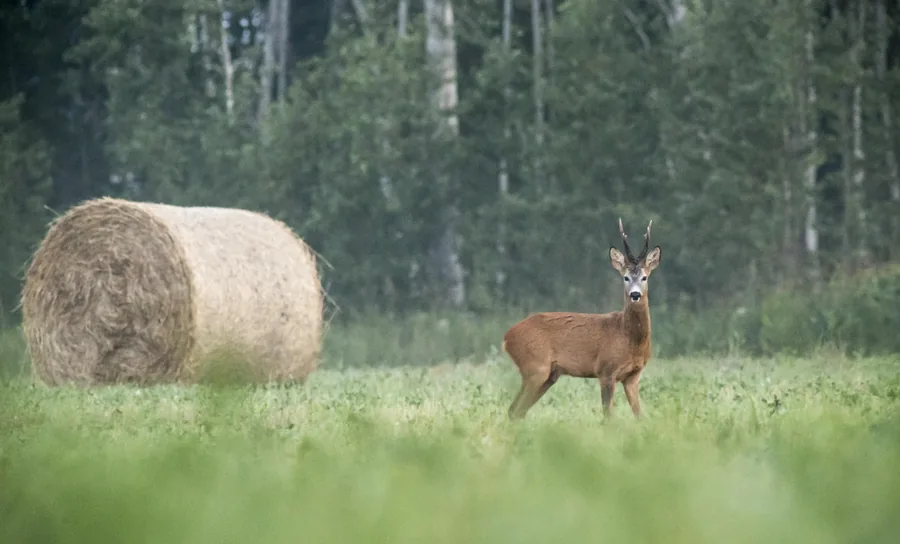
Where Roe Deer Are Found
Roe deer are present throughout much of Sussex and are particularly successful in landscapes that combine woodland, farmland and cover.
They commonly use:
- Woodland edges
- Young forestry plantations
- Hedgerows
- Areas of scrub
- Agricultural margins
- Small copses
- River corridors
Rather than spending all of their time within dense woodland, roe deer regularly move between cover and feeding areas. This movement pattern often makes them especially relevant to farmers, woodland owners and managers of smaller rural properties.
Recognising Roe Deer
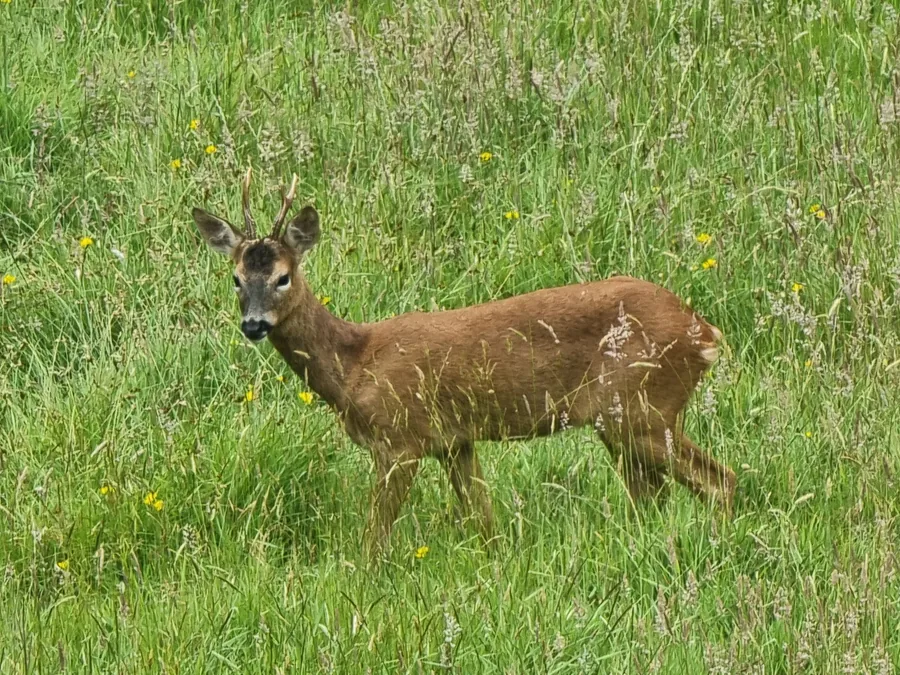
Adult roe deer are significantly smaller than fallow deer and have a distinctive appearance.
Typical characteristics include:
- Reddish-brown coat during summer
- Grey-brown winter coat
- White rump patch
- Short tail
- Compact body shape
- Upright posture
Males carry relatively small antlers, usually with three points on each side when mature.
Many landowners identify roe deer through the field signs they leave behind before they ever see the animals themselves.
How Roe Deer Use the Landscape
Roe deer tend to move individually or in small family groups rather than large herds.
This means their impact can sometimes be underestimated.
A woodland owner may only see occasional deer yet still experience consistent browsing pressure because the same animals repeatedly use the site.
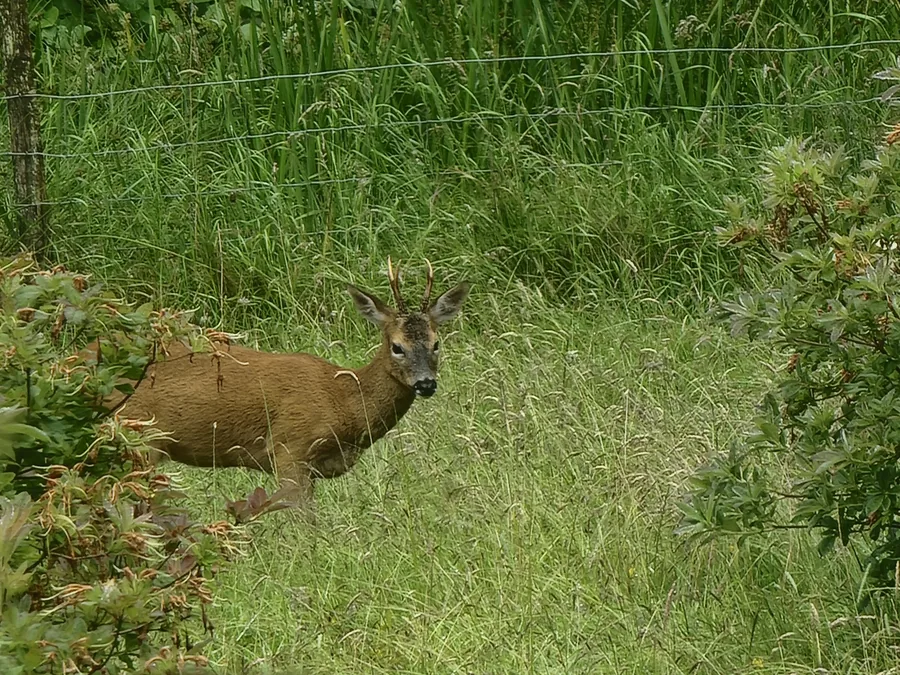
Roe deer are creatures of habit and often follow established routes between bedding areas and feeding locations. These routes can become visible as narrow runs through vegetation and repeated crossing points through hedges, fences and woodland edges.
Feeding Preferences
Roe deer are selective feeders and often target the most nutritious and palatable vegetation available.
Commonly browsed species include:
- Oak
- Ash
- Hazel
- Bramble
- Wild cherry
- Rowan
- Young broadleaved saplings
This feeding behaviour can influence woodland composition over time. Some tree species may regenerate successfully while others experience repeated browsing pressure.
Where roe numbers are high, woodland regeneration can become increasingly uneven.
Signs of Roe Deer Activity
Landowners may identify roe deer through a combination of direct observation and field evidence.
Common signs include:
- Distinctive slots
- Small pellet droppings
- Browsed saplings
- Narrow deer runs
- Fraying on young trees
- Hair caught on fences
- Repeated crossings at woodland edges
Fraying is particularly common during spring and early summer when bucks remove velvet from developing antlers and establish territories.
Young trees showing bark damage at low heights may indicate regular roe deer activity.
Roe Deer and Woodland Regeneration
Roe deer can have a significant effect on young woodland.
Their browsing is usually concentrated below approximately 75 centimetres, which often creates a visible contrast between vegetation inside protected areas and vegetation outside them.
Woodland owners sometimes observe:
- Missing saplings
- Repeatedly browsed leading shoots
- Poor natural regeneration
- Reduced shrub layer
- Damage to newly planted trees
The cumulative effect may only become obvious after several years.
Roe Deer on Agricultural Land
Although fallow deer often receive more attention for agricultural damage, roe deer can also affect crops and field margins.
Damage is frequently concentrated around:
- Field edges
- Hedgerows
- Woodland margins
- Shelter belts
- Newly established crops
Because roe deer generally feed individually or in small numbers, damage can be more dispersed than the concentrated feeding patterns often associated with larger fallow groups. For a broader overview of how different species affect productive land, see the guide to agricultural damage.
Management Considerations
Effective management begins with understanding how roe deer are using a site.
The objective is not simply to count deer. It is to assess whether their activity is affecting woodland, crops, biodiversity objectives or wider land management goals.
Factors worth considering include:
- Browsing pressure
- Regeneration success
- Deer movement routes
- Neighbouring habitats
- Seasonal activity
- Existing protection measures
Every site is different and management approaches should reflect local circumstances. See the deer management services page for information on how UK Deer Management can help assess and address deer pressure on your land.
Need Advice About Roe Deer?
If roe deer are affecting woodland regeneration, planting schemes or agricultural land, UK Deer Management can help assess the situation and advise on practical management options.