Understanding which deer species are present is an important first step in assessing browsing pressure, woodland damage, crop impacts and long-term management needs.

The main deer species encountered across Sussex and the surrounding counties include roe deer, fallow deer, muntjac and, in some areas, sika deer. Each species can contribute to land management challenges, particularly where populations are high or where sensitive habitats, crops or new planting are present.

Roe Deer

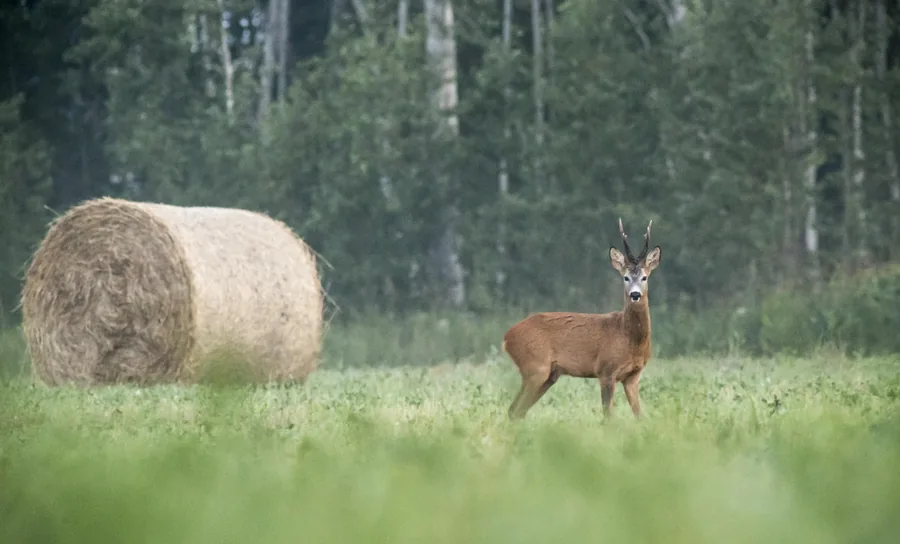
Roe deer standing in a field

Roe deer are widespread across Sussex and are commonly found in woodland edges, farmland, hedgerows and mixed countryside. They are generally smaller than fallow deer and are often seen alone or in small groups.

Roe Deer Impacts

Roe deer can browse young trees, shrubs and agricultural crops. In woodland, they may affect natural regeneration and new planting, particularly where young trees are not protected.
Fallow Deer

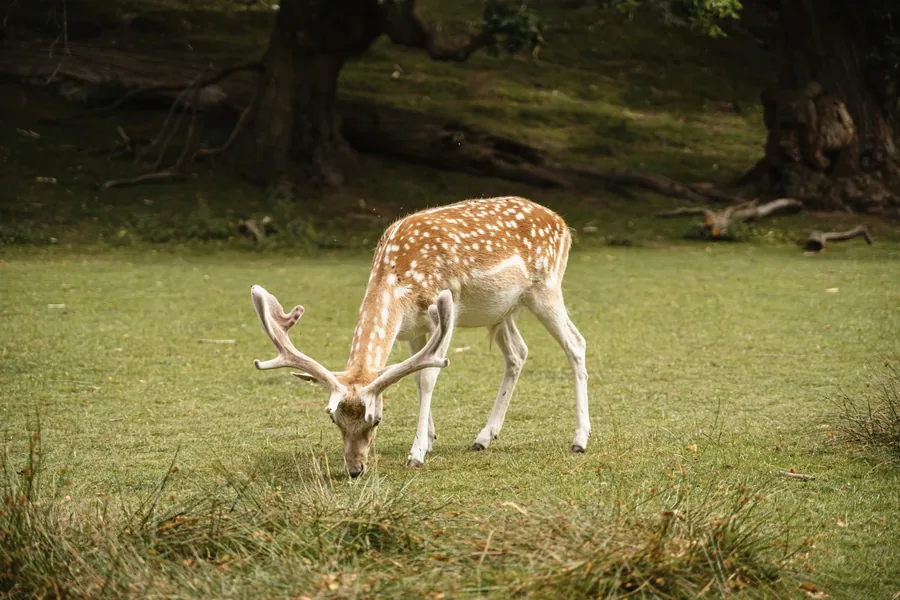
Fallow deer grazing in woodland

Fallow deer are one of the most visible deer species in Sussex and can form larger groups than roe deer. They are highly adaptable and may use woodland, parkland, farmland and open countryside.

Fallow Deer Impacts

Fallow deer can create significant browsing pressure where numbers are high. Large groups can damage crops, suppress woodland regeneration and affect ground flora.
Muntjac Deer

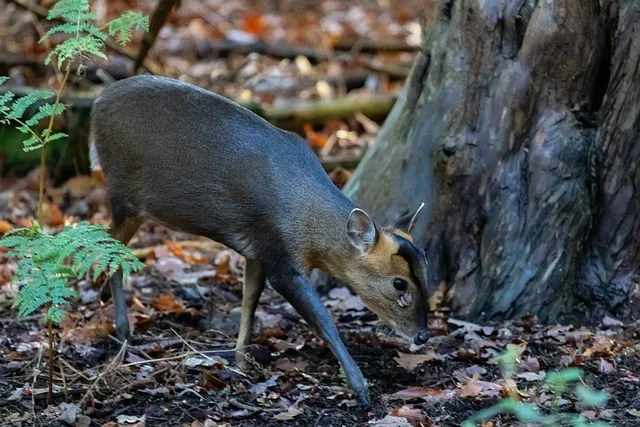
Muntjac deer in woodland undergrowth

Muntjac are small deer that are now established across much of southern England. Unlike some other deer species, muntjac can breed throughout the year, meaning local populations can increase steadily where conditions are suitable.

Muntjac Deer Impacts

Muntjac can have a significant impact on woodland understorey, coppice regrowth, young trees and ground flora. Because they browse throughout the year, their impact can be continuous and difficult to detect until regeneration has already been affected.
Sika Deer

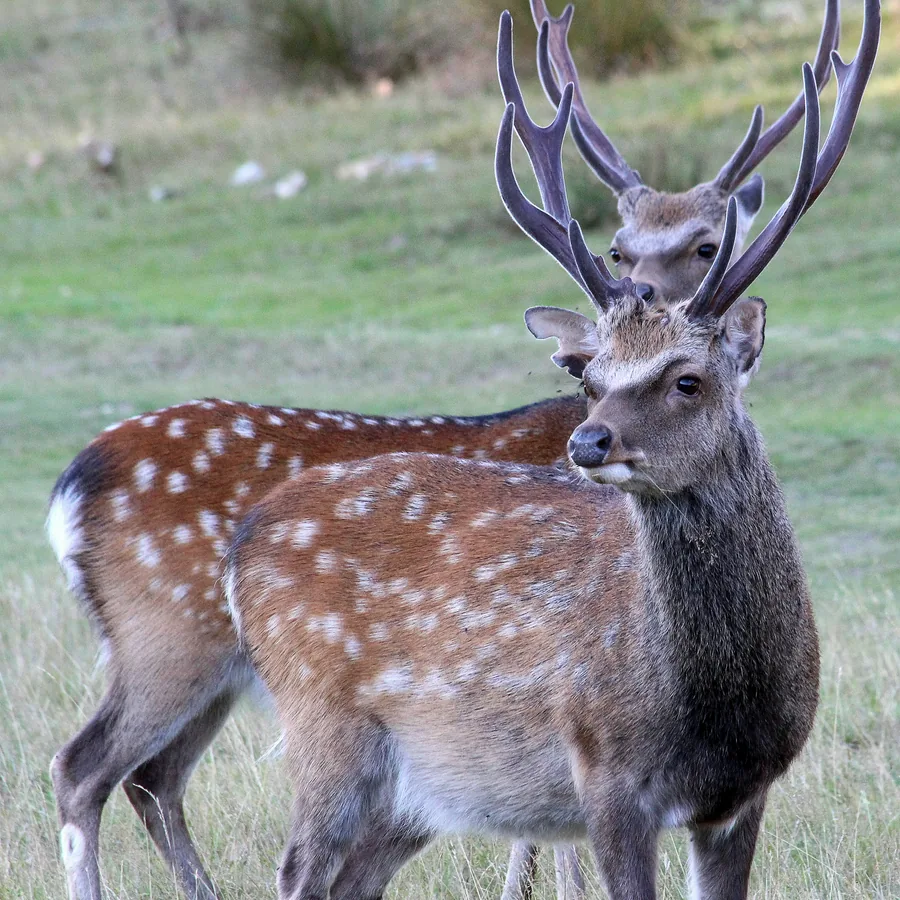
Sika deer in woodland habitat

Sika deer are less common than roe, fallow and muntjac across much of Sussex, but may be present in parts of the wider South East. They are woodland-adapted deer and can be difficult to distinguish from other species at distance.

Sika Deer Impacts

Where established, sika deer can contribute to browsing pressure, woodland damage and agricultural impacts.

Why Species Identification Matters

Different deer species behave differently. They use habitats in different ways, form different group sizes and create different patterns of damage.

Correctly identifying the deer species present helps inform the right management approach.

Discuss Your Site

Need Help Identifying Deer Activity?

If you are seeing deer damage but are unsure which species are present, UK Deer Management can help assess deer activity and advise on practical management options.

Discuss Your Site

Deer Species FAQs

What deer species are found in Sussex?

Roe deer, fallow deer, muntjac and sika deer may all be encountered across Sussex and the wider South East.

Which deer cause the most damage?

Damage depends on local population density, habitat and land use. Fallow deer can cause significant pressure in groups, while muntjac can create persistent browsing pressure.

Are muntjac deer common in Sussex?

Muntjac are established across much of southern England and may be found in suitable woodland and mixed habitats.

Why is identifying deer species important?

Species identification helps determine likely behaviour, movement patterns, population pressure and appropriate management options.

Concerned About Deer Impacts
On Your Land?

Whether you manage woodland, farmland, an estate or private rural land, UK Deer Management can help assess deer activity and recommend a practical way forward.

Contact UK Deer Management