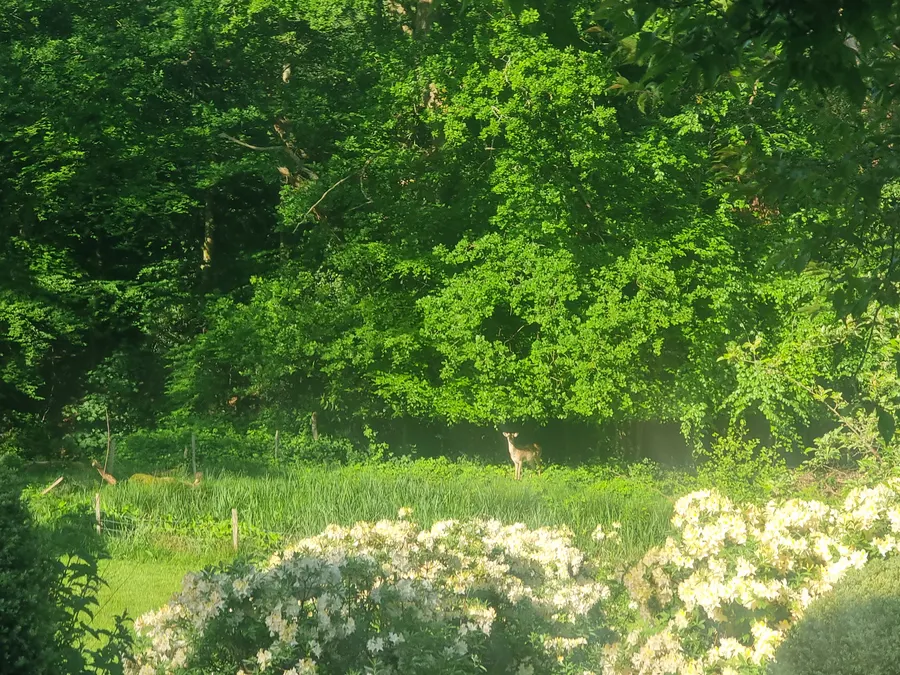
Deer are a valued part of the countryside, but in many areas their numbers can exceed what the landscape can sustainably support. Where deer populations are unmanaged, they can cause significant damage to woodland, crops, conservation habitats and planting schemes.
Responsible deer management helps protect habitats, support biodiversity, reduce economic damage and maintain a healthy balance between deer populations and the wider countryside.
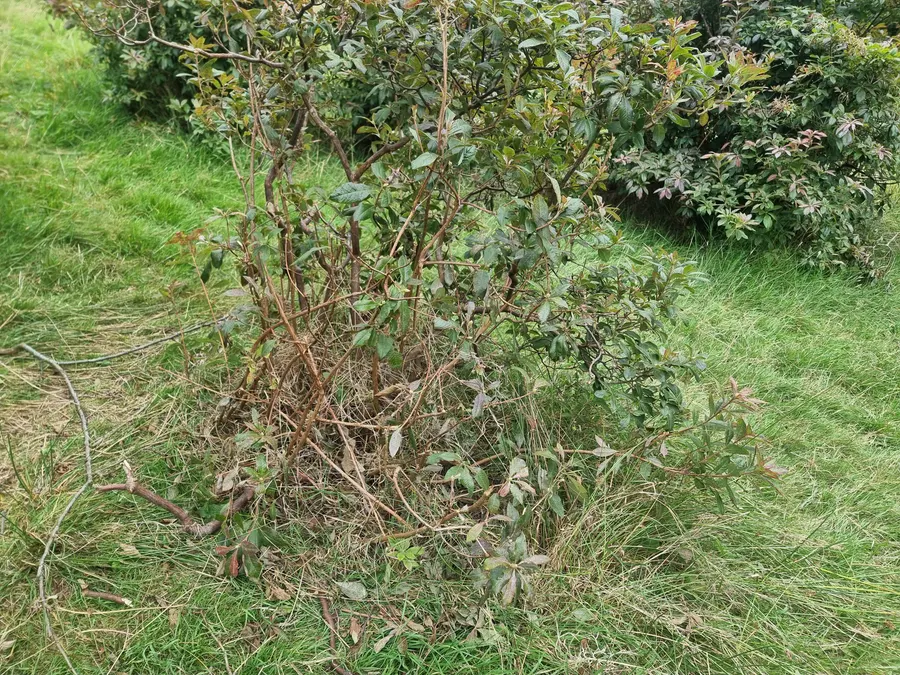
High deer densities can create long-term problems for landowners and habitat managers. The most common impacts include browsing of young trees, damage to crops, loss of woodland understorey, reduced natural regeneration and pressure on conservation areas.
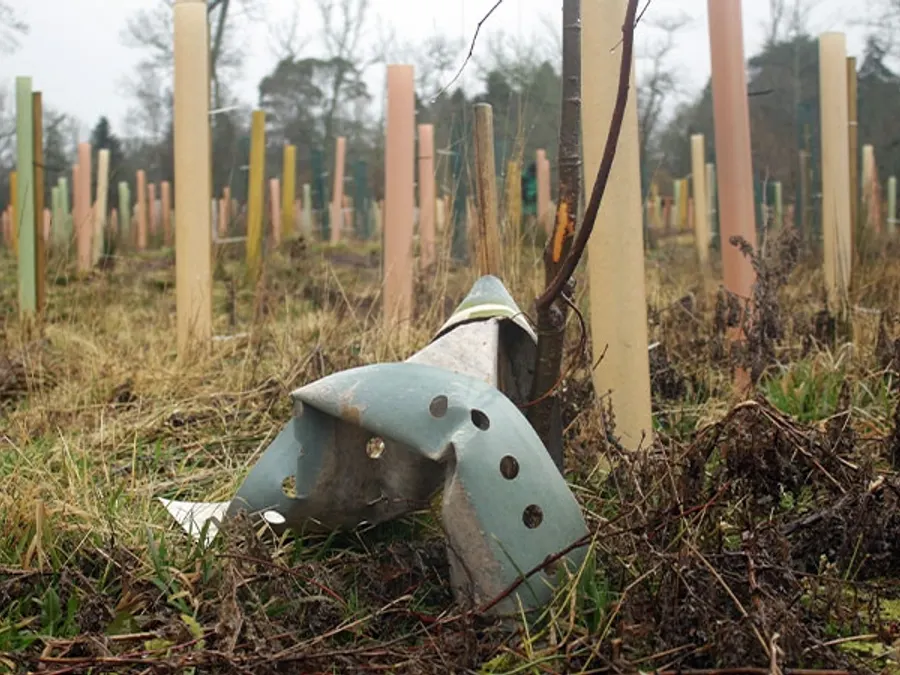
In woodland, deer can prevent young trees from establishing. This can leave woods with ageing tree canopies and limited replacement growth. Over time, this affects woodland resilience, biodiversity and future timber or habitat value.
On farmland, deer can browse crops, trample fields and cause localised economic losses. The impact can be particularly noticeable where deer use the same feeding routes repeatedly.
One of the clearest signs of excessive deer pressure is the absence of young trees and shrubs.
Healthy woodland regeneration should usually contain a mix of mature trees, younger trees, saplings and ground flora. When deer browsing is heavy, the lower layers of woodland can become sparse or absent.
This affects not only trees, but also birds, insects, wildflowers and other species that rely on woodland structure.
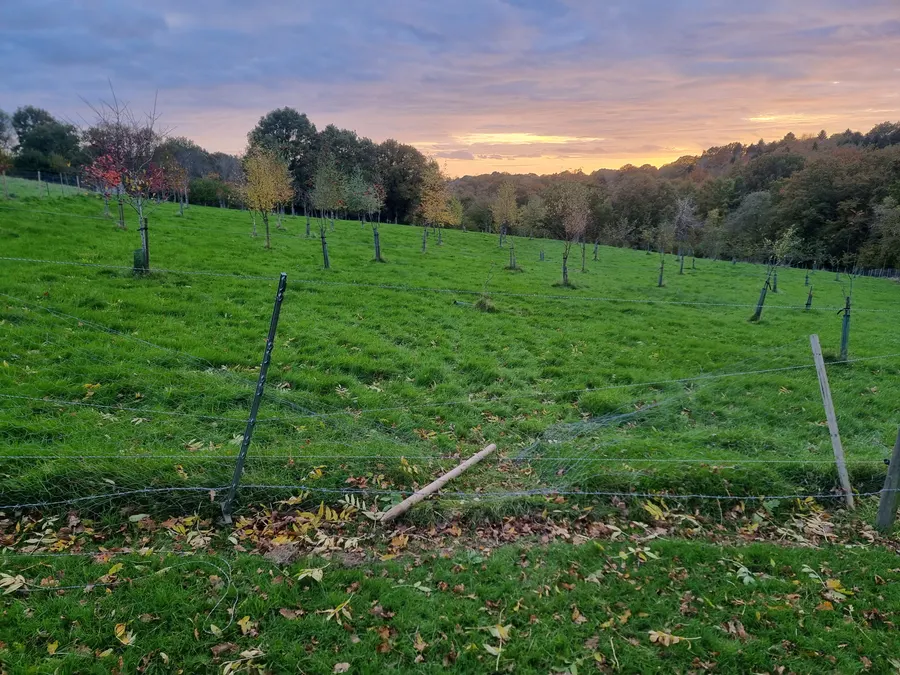
Deer can damage agricultural land through browsing, grazing and trampling. Damage may occur to cereals, maize, grassland, horticultural crops and new planting.
Where deer numbers are high, the financial impact on farmers and landowners can become significant.
Deer browsing can reduce the variety of plants within a woodland or habitat. This can affect the wider ecosystem, including insects, birds and mammals that depend on varied vegetation.
Effective deer management advice is often an important part of woodland creation, rewilding, conservation and habitat restoration projects.
Good deer management is not about removing deer from the landscape. It is about achieving a sustainable balance.
The aim is to maintain healthy deer populations while reducing unacceptable damage to woodland, agriculture and conservation habitats.
You may need deer management advice if you are seeing:
Common Questions
Why can deer become a problem?
Deer can become a problem where population levels exceed what the local habitat or land use can sustain.
Are deer bad for woodland?
Deer are a natural part of woodland ecosystems, but high deer densities can prevent young trees, shrubs and ground flora from regenerating.
Can deer damage crops?
Yes. Deer can browse, graze and trample crops, causing direct financial losses to farmers and landowners.
Is deer management humane?
Responsible deer management should always be carried out lawfully, professionally and with regard to animal welfare.