For landowners, the signs deer leave behind are often more useful than occasional sightings. Tracks, droppings, browsing, fraying and repeated movement routes can all help build a picture of deer activity.
Understanding these signs can help identify whether deer are simply present or whether their activity may be affecting woodland, crops, planting schemes or wider land management objectives.
What Are Deer Slots?
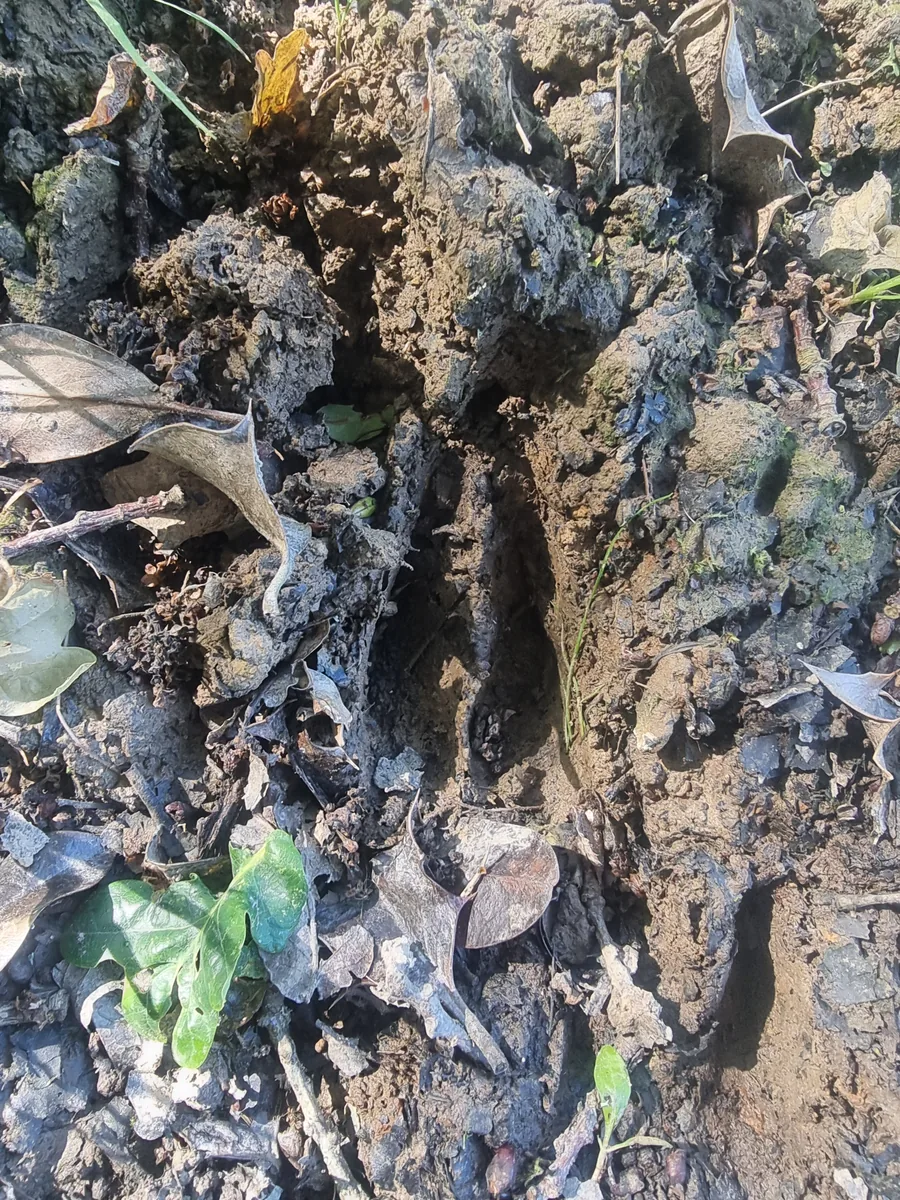
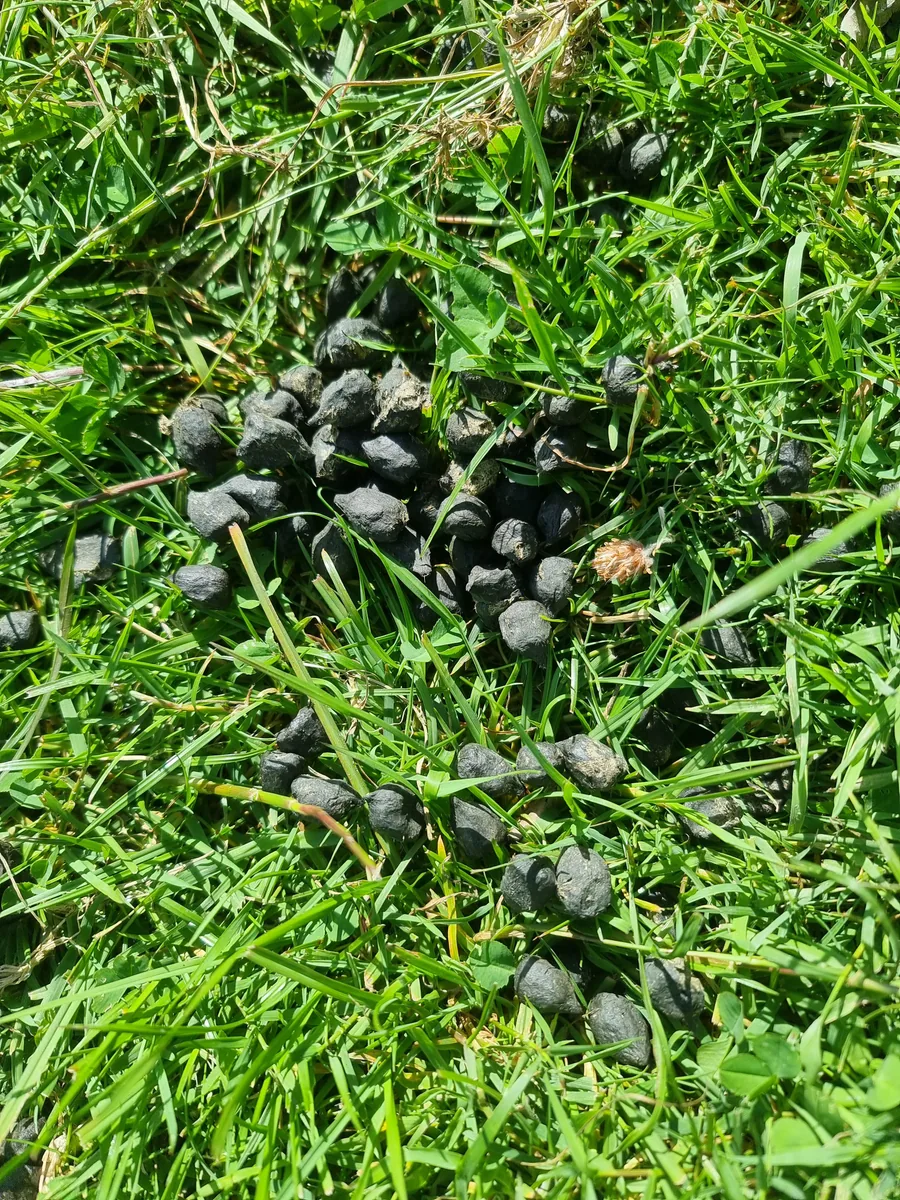
Deer tracks are often called slots. A slot is the print left by the two halves of a deer's hoof.
In soft ground, mud, rides, gateways and field margins, slots can be one of the easiest signs to find.
Fresh slots may show clear edges and sharp definition. Older slots become softer, wider and less distinct as rain, frost and traffic disturb them.
Where To Look For Deer Tracks
Good places to look include:
- Muddy gateways
- Woodland rides
- Field edges
- Gaps in hedges
- Stream crossings
- Fence lines
- Bare soil beneath trees
- Regular runs through vegetation
A single track does not necessarily indicate a problem. Repeated tracks in the same places are more useful because they show regular movement patterns.
What Deer Droppings Look Like
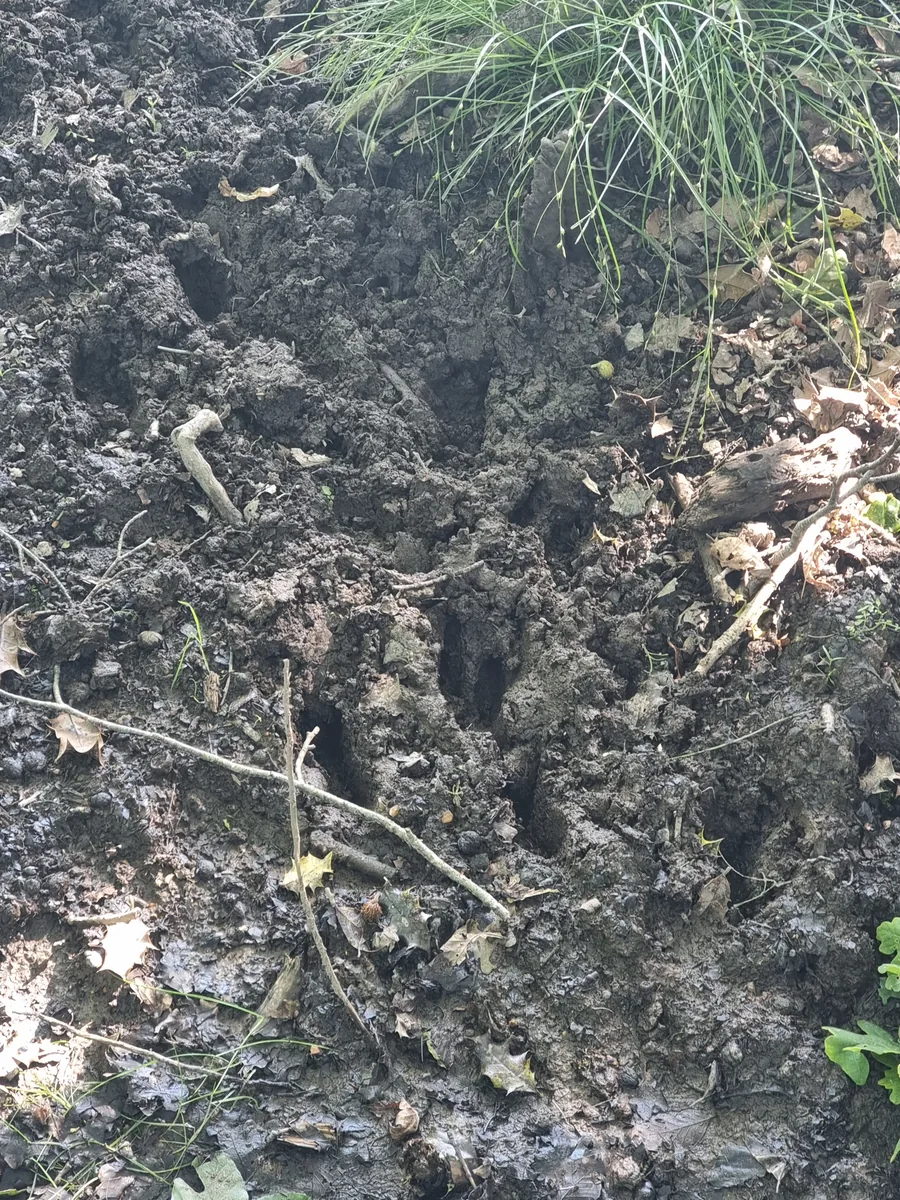
Deer droppings are usually small, dark pellets. They may appear as separate pellets or clustered together, depending on diet, season and how fresh they are.
Fresh droppings are often dark and glossy. Older droppings become duller, drier and may break apart.
Droppings found repeatedly along rides, field margins or under cover can indicate regular use of an area.
Browsing Signs
Browsing is the feeding damage deer leave on trees, shrubs and plants.
Unlike a clean cut from machinery or pruning tools, deer browsing often leaves a torn or ragged end where shoots have been bitten and pulled.
Common browsing signs include:
- Nipped-off leading shoots
- Repeated damage at similar heights
- Missing young growth
- Suppressed saplings
- Browsed bramble, hazel or young broadleaves
- Strong contrast between protected and unprotected vegetation
Browsing is particularly important in woodland because repeated feeding can prevent natural regeneration.
Browse Lines
A browse line is a visible height below which vegetation has been repeatedly eaten.
In woodland, this may appear as an open lower layer beneath a more intact canopy. Young trees and shrubs may be absent below deer browsing height.
Browse lines can vary depending on the species present. Roe deer often browse lower vegetation, while larger fallow deer may create more obvious browsing pressure at greater heights.
A browse line is one of the clearest visual indicators that deer are shaping the woodland structure.
Fraying Damage
Fraying occurs when male deer rub their antlers against young trees or shrubs.
This can strip bark, break stems and damage young trees. It is often seen on slender stems and can be particularly noticeable during territorial or antler-cleaning periods.
Roe bucks may fray smaller stems lower to the ground. Larger deer can damage thicker stems and higher growth.
Fraying should not be confused with browsing. Browsing affects shoots and leaves. Fraying damages bark and stems.
Deer Runs and Crossing Points
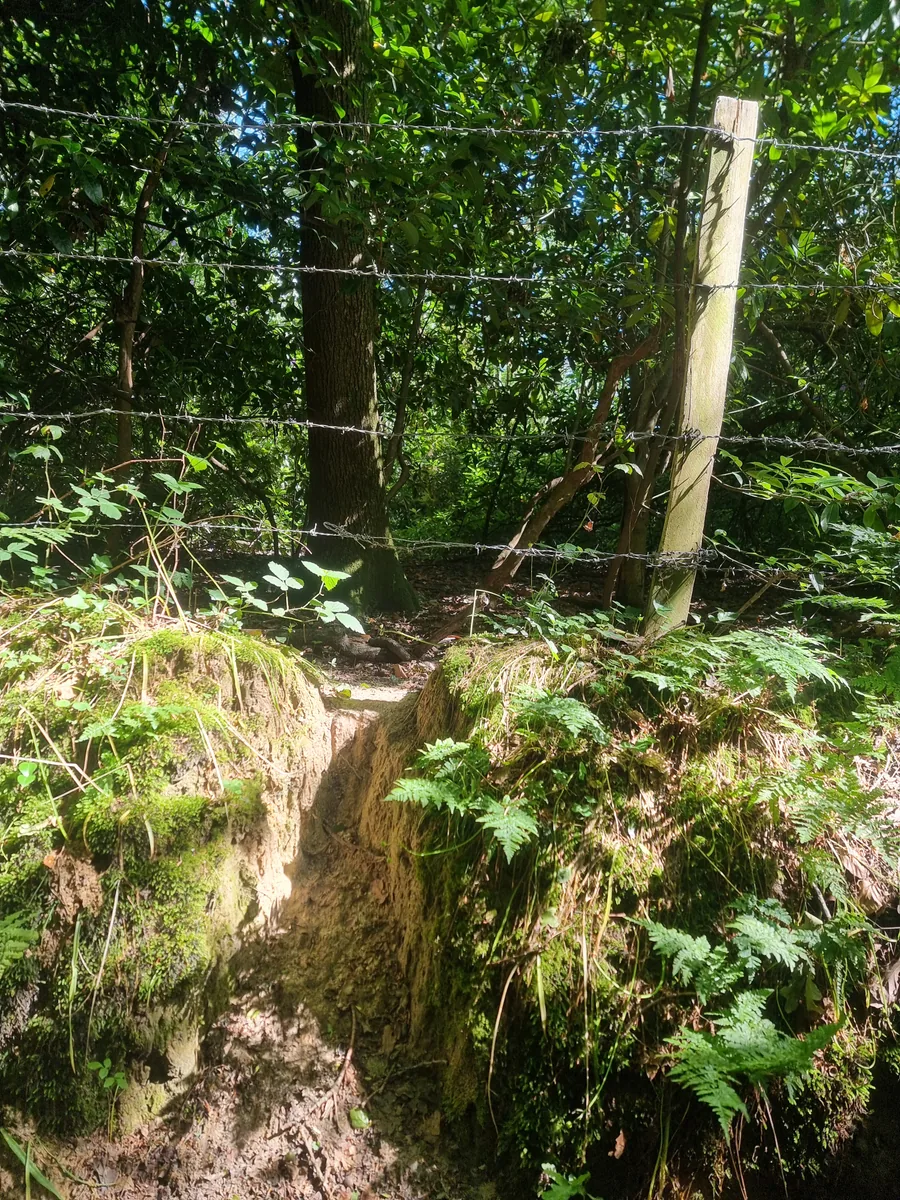
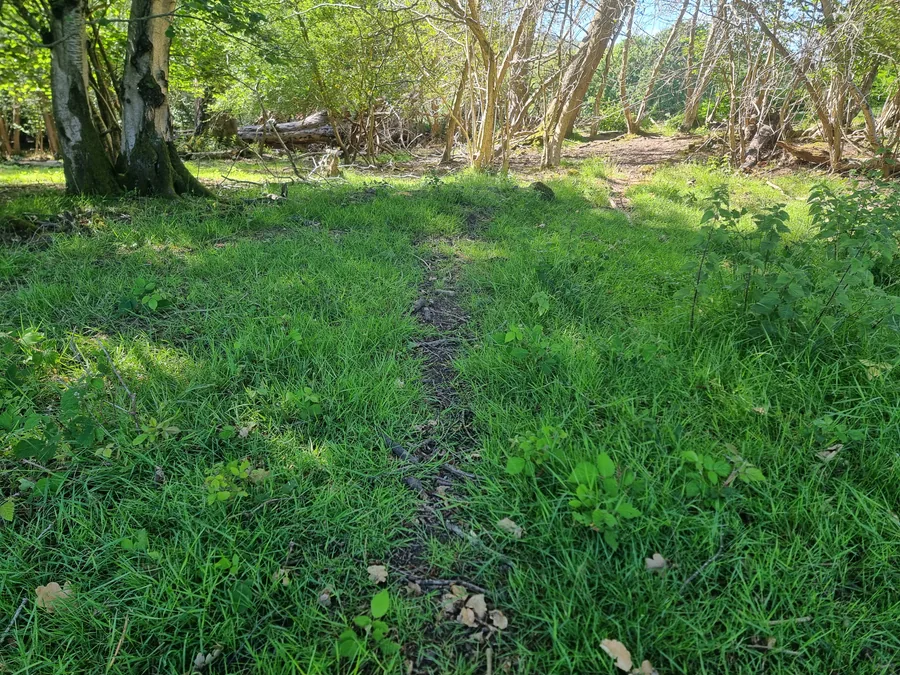
Deer often use the same routes repeatedly.
Over time, these routes can become visible as narrow paths through grass, bramble, woodland edge vegetation or hedgerows.
Common signs include:
- Flattened vegetation
- Hair caught on fences
- Repeated gaps through hedges
- Muddy crossing points
- Slots following the same line
- Droppings along a route
These routes can help show how deer are moving between bedding areas, feeding areas and neighbouring land.
Field Edge Signs
On agricultural land, deer signs are often concentrated around field edges.
Look for:
- Tracks entering from woodland
- Grazed crop margins
- Droppings near hedges
- Repeated crossing points
- Flattened crop areas
- Feeding pressure close to cover
Fallow deer may leave more obvious group evidence, including multiple slots and larger disturbed areas. Roe deer may leave lighter, more localised signs. For more on how deer affect agricultural land, see the guide to crop damage.
Hair, Fences and Crossing Evidence
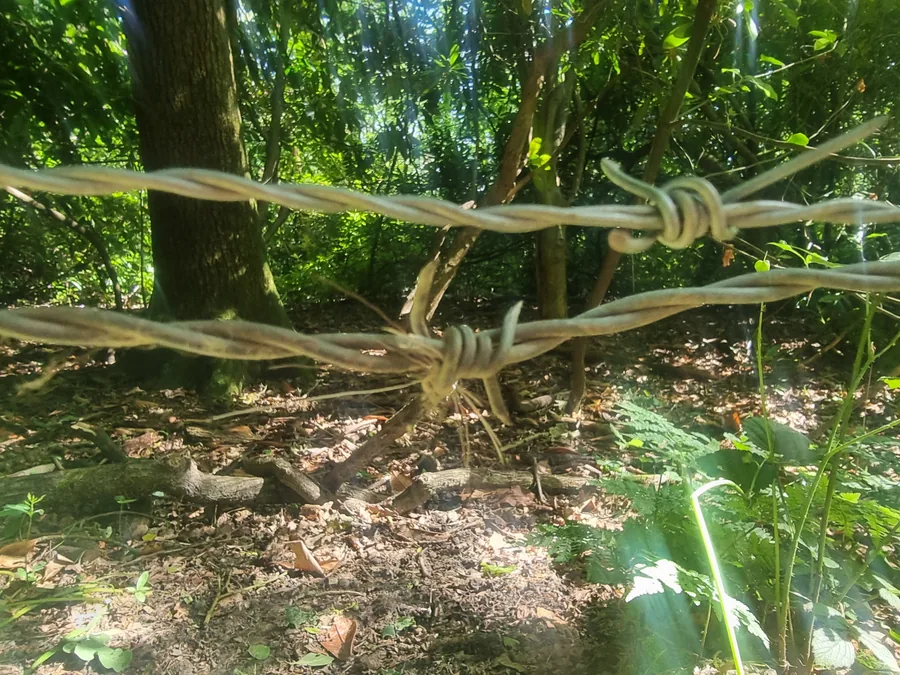
Deer often pass through or under fences at the same points.
Where this happens repeatedly, hair may be caught on wire, posts or vegetation. This can be a useful sign because it shows that deer are not simply present nearby but are actively moving through a particular route.
Fence evidence should be read alongside other signs such as slots, droppings, browsing and visible runs.
Why Identification Matters
Identifying deer signs is useful because it helps separate occasional deer presence from repeated pressure.
A few tracks or droppings may simply confirm that deer are moving through the area. Repeated browsing, fresh slots, regular runs and failed regeneration suggest a more persistent issue.
The most useful assessment looks at the pattern of signs rather than any single piece of evidence.
When To Seek Advice
Landowners should consider seeking advice where deer signs are linked to damage.
This may include:
- Failed tree planting
- Poor woodland regeneration
- Repeated crop loss
- Damage to conservation areas
- Heavy browsing pressure
- Regular movement through sensitive sites
A site assessment can help identify which species are present, how deer are using the land and whether management is needed.
Need Help Identifying Deer Activity?
If you are seeing tracks, droppings, browsing or other signs of deer activity, UK Deer Management can help assess the site and advise on practical next steps.